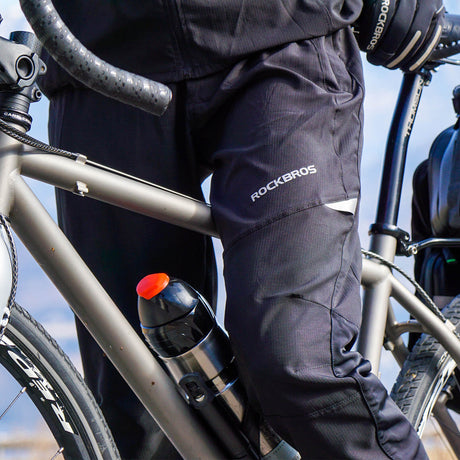
Many women don't give up cycling because they "don't like riding." They give up because cycling can simply be uncomfortable. The saddle chafes, the fabric rubs, hands go numb, and after a dozen minutes of riding, that familiar question arises: "Is something wrong with me?" No. Most often, the problem lies in the bike's fit, clothing, and a few minor but very important details. Once you adjust these correctly, riding can truly transform from a struggle for survival into something pleasant and effortless.
You're not uncomfortable for no reason
Many women say they just "don't feel good" on a bike. One starts looking for a break after 20 minutes, another returns from a ride feeling chafed all over, even though she's not physically tired. And that's the problem: cycling discomfort often doesn't stem from fitness but from ill-fitting equipment and bad habits. If the bike isn't adapted to your body, even a short ride can become exhausting.
It's worth stopping thinking about it as "I need to get used to it." A bike shouldn't be a test of pain endurance. It should be comfortable from the start – or at least quickly adjustable.
Saddle pain: the most common problem many people ignore
Saddle pain is probably the most classic cycling ailment. Many women know the feeling: pressure, burning, stinging, and sometimes even a sensation that something is "too much" at work where it shouldn't be. Usually, the first thought is: "I need a softer saddle." However, a very soft saddle isn't always better. Often, its width, shape, pressure-relief profile, and whether it matches your body type are more important.
Incorrect vs. correct approach:
-
Mistake: buying the thickest, softest saddle just because "it's sure to be comfortable."
-
Good: choosing a saddle matched to your sit bone width, riding position, and ride length.
If the pain becomes unbearable, it's worth starting with equipment that genuinely improves comfort. A good example is the 828 ergonomic and anti-slip bike saddle – this type of product makes sense when you want to relieve your body and stop fighting every kilometer.
In practice, the most effective saddle isn't the "softest," but one that properly supports the body and doesn't apply pressure where it shouldn't. Sometimes, simply adjusting its angle or position slightly can make a noticeable difference after just the first ride. If someone has been riding on a poorly fitted saddle for a long time, switching to an ergonomic model can be truly surprising.
Chafing and friction: a problem too rarely discussed
Chafing is another major problem. Many women experience it on the inner thighs, groin, hips, or where fabric doesn't cooperate with body movement. Most often, the culprits are regular shorts, overly loose clothing, or fabrics simply not designed for cycling. Cotton absorbs sweat and becomes heavy, increasing friction.
Incorrect vs. correct approach:
-
Mistake: riding in regular shorts, leggings without proper cut, or cotton underwear.
-
Good: choosing fitted, breathable clothing and cycling shorts with a chamois.
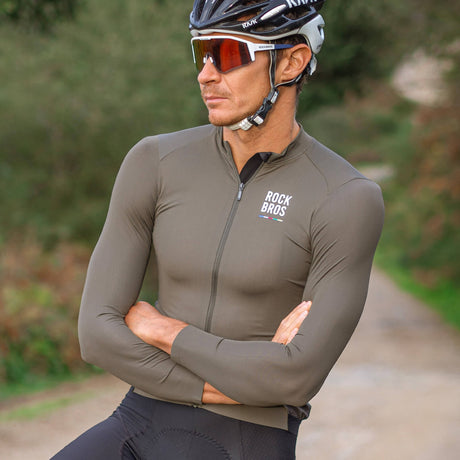
This is where the TVI women's cycling bib shorts YDDK017-1 shine. They are a good example of a solution that not only reduces friction but also helps keep everything in place during longer rides. For many women, it's precisely such an item that makes the biggest difference between "manageable" and "truly comfortable."
It's also worth paying attention to easily overlooked details. Sometimes the problem isn't the shorts themselves, but their fit to the body, leg length, or where the fabric ends. If something starts to move incorrectly with every pedal stroke, comfort rapidly decreases. However, well-chosen cycling shorts can change the entire riding experience—especially if you plan longer trips or regular training.
Numb hands and tense shoulders: a sign something is wrong
If your hands go numb after a few or a dozen minutes of riding, it's a sign that some of your body weight is being transferred to your arms. This often happens when the handlebars are too low, your position is too bent forward, and your arms are acting as the main supports for your entire torso. After a while, not only numbness but also tension in the shoulders, neck, and nape appears.
Incorrect vs. correct approach:
-
Mistake: resting your entire body weight on your hands and gripping the handlebars tightly.
-
Good: correcting your position, saddle adjustment, and handlebar height so that weight is distributed more naturally.
This is where the Double Arrow Palm Pad Half Finger S399 cycling gloves fit perfectly. They are a very practical example of a product that helps to better distribute pressure, improve grip, and reduce the sensation of numbness. For many women, it is precisely gloves that are the small addition that suddenly makes riding stop tiring their hands.
It's also worth remembering that gloves alone don't solve everything. If the bike is set up too aggressively, and your torso is too bent forward, your arms will still be working too hard. Therefore, it's best to treat gloves as part of a larger change, not the sole solution. Only the combination of a well-adjusted bike and proper grip provides true comfort.
The most commonly overlooked details that make the biggest difference
It's the small things that most often determine whether a ride will be enjoyable. Sometimes, just a few millimeters of a poorly adjusted saddle, the wrong length of shorts, or the lack of gloves can cause discomfort. Many women believe for years that this is just "how it's supposed to be," when in reality, a slightly better fit of a few elements is all it takes to change everything.
Incorrect vs. correct approach:
-
Mistake: only focusing on the bike's appearance and ignoring your own comfort.
-
Good: treating the saddle, shorts, and gloves as one comfort system.
It's also worth remembering that the needs for a short commute to work will differ from those for a two-hour trip with friends. A bike for daily rides and a bike for long weekend routes don't have to look identical if they are to provide similar comfort. Sometimes, one well-chosen item – such as a saddle, shorts, or gloves – delivers more than an entire set of random accessories.
How to truly improve riding comfort
A step-by-step approach works best. First, check the saddle and its adjustment. Then, look at your clothing: does it chafe, does it absorb moisture, does the pad actually help? Finally, see if your hands and shoulders are working too hard. Only then does it make sense to look for more advanced solutions.
In practice, you can put it very simply:
-
if your seat hurts, start with the saddle,
-
if your thighs chafe, change your shorts,
-
if your hands go numb, wear gloves and check your position on the bike.
This approach is also important because most problems don't require a revolution. You don't need to change the entire bike right away. Sometimes, better fitting a few components is enough to make riding truly enjoyable.
Finally
If cycling reminds you more of suffering than pleasure, it doesn't mean cycling isn't for you. It usually just means that something in the equipment or setup needs improvement. The good news is that these things can actually be fixed. When the saddle stops hurting, the fabric doesn't chafe, and your hands don't go numb, cycling suddenly becomes what it should have been from the start—an easy, free, and pleasant part of your day.